Italian Scallop Pasta Recipe
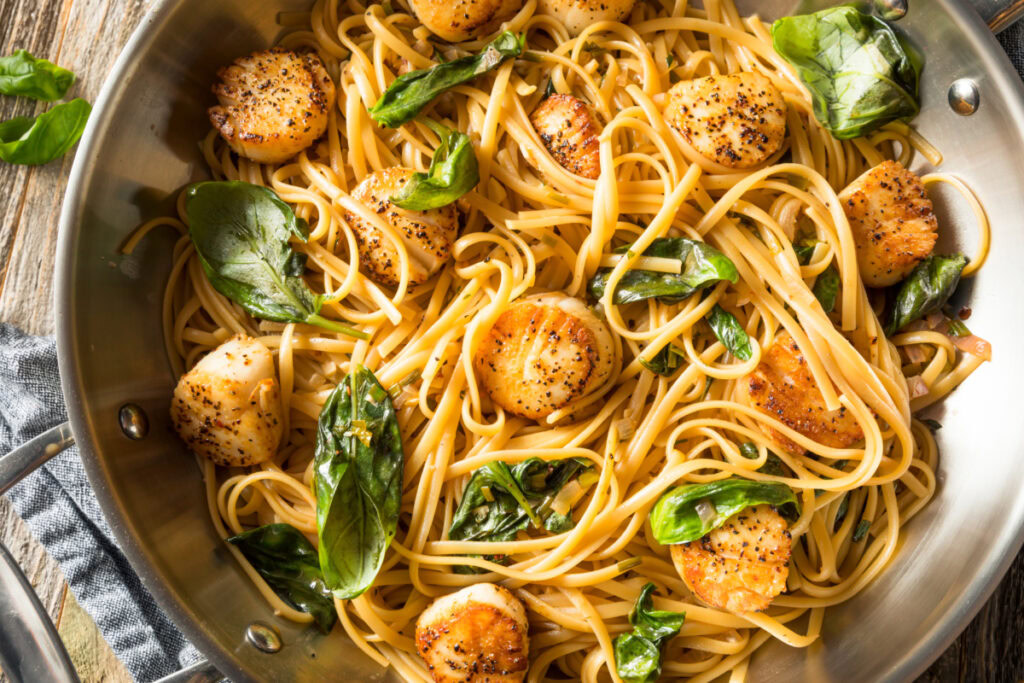
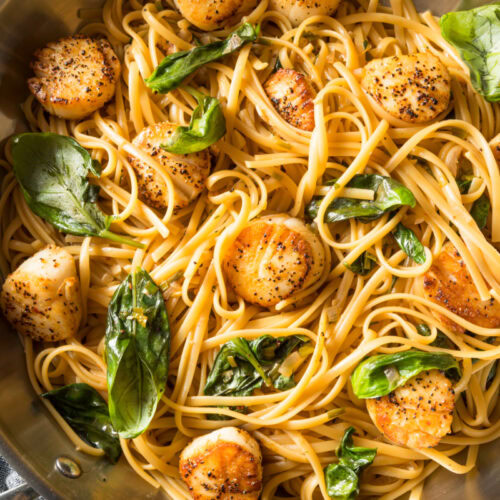
I’ve fiddled with scallop pasta for years, and honestly, this creamy white sauce version just hits the spot for me. The way those golden, tender scallops pair with silky pasta? It feels like something you’d order at a fancy spot, but you can whip it up at home in less than half an hour.
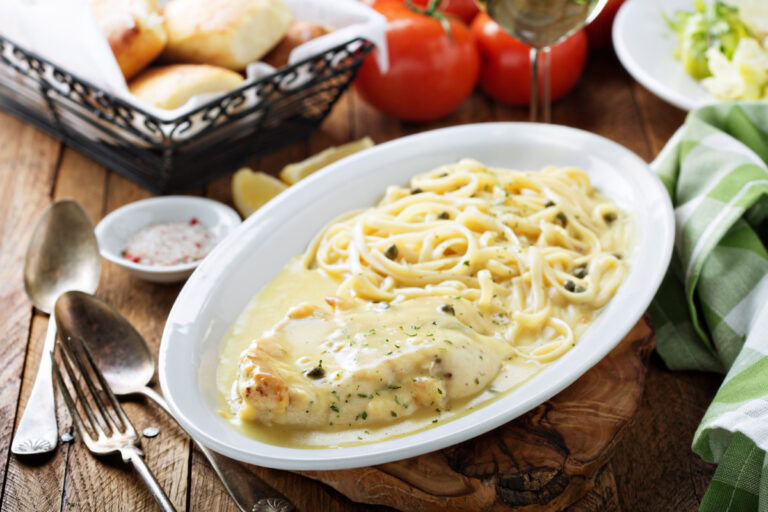
This Italian scallop pasta brings together pan-seared scallops and al dente noodles, all tossed in a rich white wine cream sauce that tastes like it could have come from a cozy spot on the Amalfi coast.
Cooking scallops can feel a bit intimidating at first—I get it. But I promise, this recipe makes it way less stressful. The trick is getting that gorgeous sear on the outside while keeping the inside tender.
Looking for a date night idea or just want to treat the family? This scallop pasta brings big flavor, no fancy skills needed. I’ll go over the gear you need, the ingredients, and how I make it step by step.
Equipment
You don’t need anything wild to make this Italian scallop pasta. Just the usual kitchen stuff, really.
Here’s what I grab:
- Large pot for the pasta
- Cast iron skillet or a big sauté pan for the scallops and sauce
- Colander for draining
- Tongs or a pasta fork
- Sharp knife for mincing garlic
- Cutting board
- Measuring cups and spoons
- Wooden spoon or spatula
I’m a fan of the cast iron skillet here. It holds heat like a champ and gives the scallops that golden color outside.
A heavy pan makes it easier to keep the temperature steady, so the scallops cook evenly. If you don’t have cast iron, no need to stress—a big pan works fine.
Just make sure you can fit all the scallops in there without crowding. The wooden spoon’s nice since it won’t scratch your pan, especially if it’s non-stick.
Ingredients
Here’s everything I use for this Italian scallop pasta. Nothing too complicated, but when you put it all together, the flavor is pretty amazing.
For the Pasta and Scallops:
- 12 oz fettuccine, spaghetti, or linguine
- 1 lb sea scallops (ideally dry scallops)
- 3 tablespoons butter
- 2 tablespoons olive oil or extra virgin olive oil
- 4 cloves garlic, minced
- Salt and pepper to taste
For the Creamy White Wine Sauce:
- 1/2 cup dry white wine (Pinot Grigio or Sauvignon Blanc are both good)
- 1 cup heavy cream
- 2 tablespoons lemon juice
- 1/2 cup Parmesan cheese, grated
- 2 tablespoons capers (optional)
Optional Add-ins:
- 2 cups fresh spinach or arugula
If you can, go for dry scallops. They haven’t been soaked in any weird stuff and they brown up way better. Plus, the taste is just fresher.
You can use any pasta, but I like fettuccine or linguine since the sauce really sticks to them. Pick a white wine you’d actually want to drink. I usually reach for Pinot Grigio, but Sauvignon Blanc is solid too.
The combo of butter and olive oil gives the sauce a deeper flavor. And don’t skip the lemon juice—it just brightens everything up.
Instructions
First off, I pat the scallops dry with paper towels so they get that nice golden crust instead of steaming.
I sprinkle salt and pepper on both sides. Then I heat olive oil in a big skillet over medium-high until it’s shimmering.
The scallops go in next, spaced out so they aren’t crowded. I cook them for about 2-3 minutes per side, just until they’re golden brown.
Once they’re done, I move the scallops to a plate and set them aside for a bit. In the same pan, I toss in butter and minced garlic.
I let the garlic cook for about 30 seconds, just until it smells good—no burning allowed.
Next up, I pour in the white wine and let it bubble for a couple minutes so it reduces a little.
Then I pour in the heavy cream and stir everything together. I let the sauce simmer for 3-4 minutes so it thickens up a bit.
While that’s happening, I cook the pasta in salted boiling water until it’s al dente. I drain it and save some of the pasta water (just in case).
I toss the pasta right into the skillet with the sauce, making sure every strand gets coated.
The Parmesan goes in next, and I stir until it melts in. Then I gently add the scallops back in and toss everything together.
A little fresh parsley and lemon zest on top, and it’s ready to eat.
Notes
Pat those scallops dry before you cook them. It’s the only way to get a proper golden sear.
If you can swing it, use fresh scallops, not frozen. The texture and flavor are just better.
If frozen is what you’ve got, thaw them in the fridge overnight and drain off all the extra liquid. Don’t overcook the scallops—they really only need a few minutes on each side.
I always save a cup of the pasta water before draining. It helps loosen up the sauce if it gets too thick and helps it stick to the pasta.
Freshly grated Parmesan melts so much better than the pre-grated stuff. The flavor pops more, too.
You can swap out the pasta shape—fettuccine, spaghetti, or even angel hair all work.
Go easy with the garlic and keep an eye on it. Burnt garlic is bitter and will mess up the sauce.
Leftovers keep in the fridge for a couple days in an airtight container. The scallops aren’t quite as soft when reheated, but it’s still a good meal.
If you’re feeling like adding more protein, toss in some shrimp with the scallops. Cook them the same way—just a few minutes per side until they turn pink.

Equipment
- Large pot
- Colander
- Cast iron skillet or large sauté pan
- Tongs or pasta fork
- Wooden spoon or spatula
- Knife and cutting board
- Measuring cups and spoons
- Paper towels
Ingredients
- 12 oz pasta fettuccine, spaghetti, or linguine
- 1 lb sea scallops preferably dry scallops
- 3 tbsp butter divided
- 2 tbsp olive oil or extra virgin olive oil
- 4 cloves garlic minced
- salt to taste
- black pepper to taste
- 1/2 cup dry white wine Pinot Grigio or Sauvignon Blanc
- 1 cup heavy cream
- 2 tbsp lemon juice fresh
- 1/2 cup Parmesan cheese freshly grated
- 2 tbsp capers optional
- 2 cups fresh spinach or arugula (optional)
- 1 tbsp fresh parsley chopped, for garnish (optional)
- 1 tsp lemon zest for serving (optional)
Instructions
- Bring a large pot of salted water to a boil. Cook the pasta until al dente according to the package directions. Reserve 1 cup of pasta water, then drain.
- Meanwhile, pat the scallops very dry with paper towels and season both sides with salt and pepper.
- Heat olive oil in a large skillet over medium-high heat until shimmering. Add scallops in a single layer (don’t crowd) and sear 2–3 minutes per side until deeply golden and just cooked through. Transfer to a plate.
- Reduce heat to medium. Add butter to the same skillet. When melted, add minced garlic and cook about 30 seconds until fragrant (do not brown).
- Pour in the white wine and simmer 2–3 minutes to reduce slightly.
- Stir in the heavy cream and lemon juice. Simmer 3–4 minutes, stirring often, until slightly thickened. Stir in Parmesan until melted and smooth. Add capers and spinach/arugula if using; cook just until greens wilt.
- Add the drained pasta to the skillet and toss to coat. Loosen with reserved pasta water a splash at a time as needed for a silky sauce.
- Gently return the scallops to the skillet to warm through. Taste and adjust seasoning. Garnish with parsley and lemon zest and serve immediately.
Notes
Nutrition
Tasting Notes
When I dig into this Italian scallop pasta, I’m honestly surprised every time by how well everything just works together. Those scallops—when you get a good sear on them—have this sweet, delicate vibe that goes so well with the creamy white sauce.
The sauce is rich and smooth, not too heavy, just right. I love how you can pick up on the butter and garlic, and then there’s a splash of white wine that lifts the whole thing up. It’s the kind of thing I’d happily order at a cozy Italian spot.
The pasta’s just there soaking up all that sauce, and every bite is coated, so you get a little bit of everything in each forkful. The scallops are tender, and with the pasta cooked al dente, you get that nice mix of textures.
A sprinkle of fresh parsley and a squeeze of lemon at the end? That’s what really wakes up the whole plate. The herbs bring in some freshness, and the lemon just pulls all the flavors together.
Scallops should come out a little sweet and buttery, with a nice golden crust on the outside. Inside, they stay soft—almost melt-in-your-mouth if you nail the timing.
The garlic’s there, but it never takes over. It just adds a bit of depth, letting the scallops stay the star. That balance is what keeps me coming back to this recipe.