Korean Gochujang Chicken Skewers Recipe
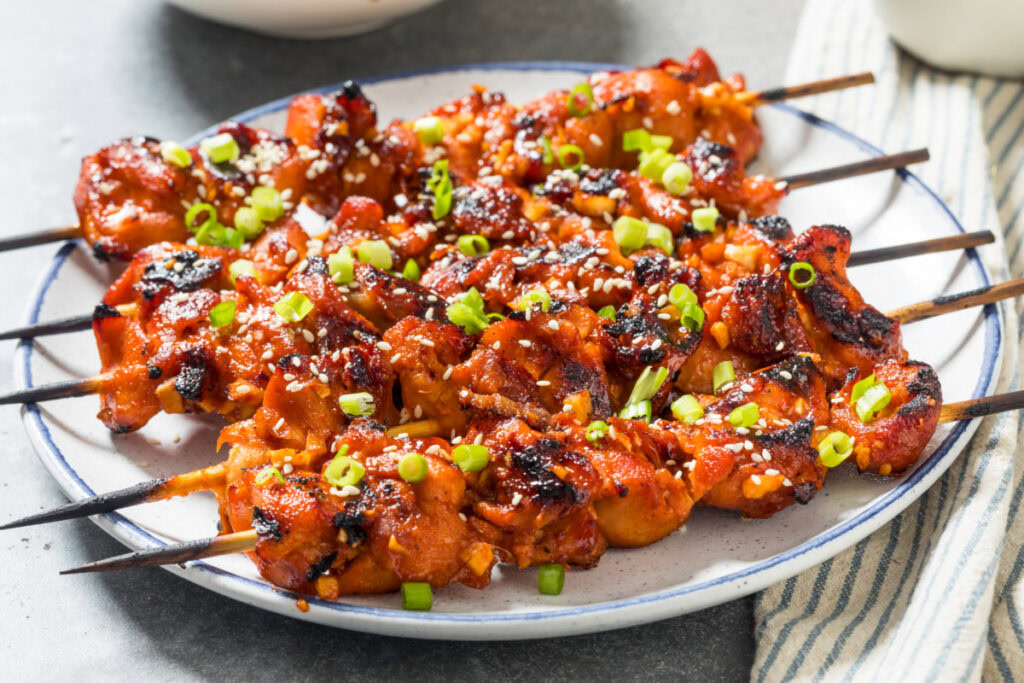
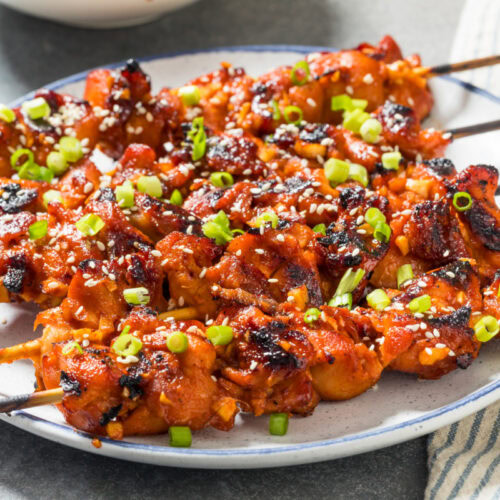
Gochujang chicken skewers are one of those dishes that just wake up your taste buds. The sweet and spicy fermented chili paste makes a sticky glaze that gets all caramelized and a little smoky on the grill or under the broiler.
These skewers mix up juicy chicken with a savory-sweet marinade that’s honestly easy enough for any night, but it always feels a little special when you serve them to friends.
I keep coming back to this recipe because you really don’t need a ton of ingredients or fancy prep. That gochujang paste? It’s doing most of the work flavor-wise. No need to be a Korean cooking pro.
The chicken stays juicy, with those slightly charred edges that just taste like summer. I’ll walk you through the basics, from what gear you need to a few little tricks for getting that nice caramelized finish.
Equipment
Making these Gochujang Chicken Skewers doesn’t call for anything wild. I like to keep things simple—no gadgets, just the basics.
You’ll definitely need some skewers for threading the chicken. There are a couple ways you can go here.
Metal skewers are my go-to since you can wash and reuse them, and they help cook the chicken more evenly. Plus, you can toss them in the dishwasher, which is always a win.
Bamboo skewers work too, especially if you’re making a bunch for a party. Just don’t forget to soak them in water for at least half an hour before using. It’s a little annoying, but it keeps them from burning up on the grill.
Here’s what else I usually grab:
- Mixing bowl for the marinade
- Whisk or just a fork to mix things up
- Measuring cups and spoons
- Grill, grill pan, or broiler—whatever you’ve got
- Basting brush if you want to add extra sauce (not required)
- Tongs for flipping the skewers
I’m usually outside grilling these in the summer, but a grill pan on the stove works just as well. Sometimes I’ll use the broiler if I don’t feel like firing up the grill.
That’s honestly it. The short equipment list means you can get straight to the fun part—making chicken skewers that are loaded with that gochujang kick.
Ingredients
What I love about these skewers is how basic the shopping list is. Gochujang is the real star here—it’s a Korean chili paste that’s sweet, spicy, and savory all at once.
For the chicken and skewers, you’ll need:
- 2 pounds boneless skinless chicken thighs, chopped into 1-inch pieces
- 8-10 wooden or metal skewers
For the marinade, I usually mix up:
- 3 tablespoons gochujang (Korean chili paste)
- 2 tablespoons soy sauce (I usually grab the low sodium version)
- 1 tablespoon sesame oil
- 2 tablespoons brown sugar
- 1 tablespoon rice vinegar
- 3 cloves garlic, minced
- 1 teaspoon ginger paste
I always go for chicken thighs over breast. Thighs just stay a lot juicier on the grill, and they don’t dry out as easily.
The marinade turns into this sticky, super tasty coating that gets even better as it cooks. Sesame oil gives it a nutty vibe, rice vinegar cuts the sweetness, and the garlic and ginger just make everything smell amazing.
If you’re using wooden skewers, definitely soak them for half an hour first—otherwise, they’ll burn up fast.
Instructions
First thing I do is soak the wooden skewers in water for about 30 minutes. It’s not the most exciting step, but it saves you from burnt sticks.
While those are soaking, I get the marinade going. Cut up the chicken into cubes and toss them in a big bowl.
For the marinade, I just stir together:
- 3 tablespoons gochujang
- 2 tablespoons soy sauce
- 1 tablespoon sesame oil
- 2 tablespoons honey
- 3 cloves garlic, minced
- 1 teaspoon grated ginger
- 1 tablespoon rice vinegar
Pour that over the chicken and mix everything so it’s coated. I usually let the chicken hang out in the fridge for at least 30 minutes.
When it’s time to cook, thread the chicken onto the soaked skewers. Don’t pack them too tight—leave a little space so they cook evenly.
Preheat your grill to medium-high and oil the grates a bit. Lay the skewers on and cook for about 10-12 minutes, turning every couple minutes so all sides get a little char.
The chicken’s done when it hits 165°F inside. I like to brush on any leftover marinade during the last minute on the grill for extra flavor.
Let the skewers rest for a couple minutes before serving. Sprinkle on some sesame seeds and sliced green onions if you want to make them look nice.
Notes
Marinating makes a big difference. I try to give the chicken at least 30 minutes, but if you have more time, a few hours in the fridge is even better. The longer it sits, the more flavor it soaks up.
If you’re in a rush, 15 minutes will do in a pinch, but the taste won’t be quite as bold.
Gochujang is getting easier to find these days. Most grocery stores have it in the international section, or you can check out an Asian market for more options.
If you’re using wooden skewers, soaking them for at least 20 minutes really does help keep them from burning.
Don’t use leftover marinade as a sauce if it touched raw chicken. If you want extra for serving, set some aside before you add the chicken in.
These skewers work great on the grill, under the broiler, or even in an air fryer. Just keep an eye on them and adjust the cooking time as needed.
You can get everything ready the night before—just thread the chicken onto the skewers, cover, and keep them in the fridge until you’re ready to cook.
Cooked skewers keep in the fridge for up to three days. Reheat gently so the chicken doesn’t dry out.

Equipment
- Grill, grill pan, or broiler
- Skewers (metal or wooden)
- Mixing bowl
- Whisk or fork
- Measuring cups and spoons
- Tongs
- Basting brush (optional)
- Instant-read thermometer
Ingredients
- 2 lb boneless skinless chicken thighs cut into 1-inch pieces
- 8 skewers wooden or metal (soak wooden skewers 30 minutes)
- 3 tbsp gochujang (Korean chili paste)
- 2 tbsp soy sauce low-sodium if preferred
- 1 tbsp sesame oil
- 2 tbsp honey or brown sugar
- 1 tbsp rice vinegar
- 3 garlic cloves minced
- 1 tsp fresh ginger grated (or ginger paste)
- sesame seeds for serving (optional)
- green onions sliced, for serving (optional)
Instructions
- If using wooden skewers, soak them in water for about 30 minutes to prevent burning.
- In a mixing bowl, whisk together gochujang, soy sauce, sesame oil, honey, rice vinegar, minced garlic, and grated ginger until smooth.
- Add the chicken pieces to the bowl and toss until evenly coated. Cover and refrigerate for at least 30 minutes (or up to 4 hours for deeper flavor).
- Thread the marinated chicken onto skewers, leaving a little space between pieces so they cook evenly.
- Preheat a grill to medium-high heat and lightly oil the grates. Grill skewers for 10–12 minutes, turning every 2–3 minutes, until lightly charred and the chicken reaches 165°F (74°C) internally.
- If desired, brush on a little extra sauce during the last minute of cooking for a sticky finish (use reserved sauce only—don’t brush with marinade that touched raw chicken).
- Rest for 2 minutes, then garnish with sesame seeds and sliced green onions if using. Serve hot with rice, lettuce wraps, or grilled veggies.
Notes
Nutrition
Tasting Notes
The first bite of these gochujang chicken skewers? It instantly takes me right to a lively Korean street food market.
That gochujang paste forms a sweet, spicy glaze that sticks to the chicken and caramelizes just enough on the grill.
The heat doesn’t smack you all at once—it creeps up, but in a good way. It’s the kind of warmth that keeps me coming back for another bite, not running for a glass of water.
There’s something about that fermented soybean base in the gochujang. It brings out this deep, savory layer that reminds me of real Korean barbecue, the kind you get when you’re out with friends.
The chicken stays pretty juicy from the marinade, and those charred edges? So good. Every bite gives me a bit of garlic and sesame, which helps balance the spice.
I always want these skewers with steamed rice. The plain rice soaks up any extra sauce and tones down the heat just a bit.
Honestly, the flavors remind me of what I’d get at a Korean BBQ spot—but it’s way easier to make at home.
I love the texture, too. The outside gets a little crispy and caramelized, while the inside stays nice and tender.
Bits of green onion in the marinade pop up here and there, adding a fresh, sharp note that cuts through the richness.
This recipe really nails those bold, balanced flavors I crave in Korean food. Sweet, spicy, salty, umami—it just works.