Fried Crab Cakes Recipe
Fried crab cakes—those crispy, golden patties made from fresh crab meat—are just so good. You get that crunch outside, then a soft, tasty inside.
They’re one of those seafood dishes that somehow make any meal feel a little fancier, but honestly, you can whip them up at home without much fuss.
This recipe walks you through classic Maryland-style crab cakes, where the crab is the real star and you get those big, sweet chunks in every bite.
I wanted to make a crab cake recipe that doesn’t stress you out. The trick? Good crab meat, and not going overboard with the extras, so the crab stands out.
You can fry, bake, or even try the air fryer—whatever floats your boat. The main recipe doesn’t really change.
Making crab cakes at home might seem intimidating at first, but it’s actually pretty doable. You’ll see what kitchen gear you’ll need, which ingredients work best, and how to get that restaurant-style finish.
Honestly, these crab cakes are right up there with my favorites, and they’re ready faster than a trip to your local seafood spot.
Equipment
You don’t need anything fancy here. Just basic stuff most people already have.
Here’s what you’ll want:
- Large mixing bowl for all your crab cake ingredients
- Small bowl if you’re mixing up a quick sauce or coating
- Measuring cups and spoons for getting things right
- Spatula or wooden spoon for gentle mixing
- Cast iron skillet or nonstick pan for frying
- Paper towels for draining
- Cooking thermometer (optional, but handy for checking oil temp)
Personally, I like a cast iron skillet because it holds the heat and gives you that golden crust. The even heat makes a difference.
A nonstick pan works too, especially if you’re worried about sticking. It’s a little easier to flip the crab cakes, and you can use less oil.
A thin, flat spatula is my go-to for flipping. It just slides under the cakes better.
If you want to bake instead, just grab a baking sheet and some parchment paper. It’s a bit lighter, but still gives a nice result.
Having all your stuff ready before you start makes things way less stressful. I like to set everything up within arm’s reach.
Ingredients
Let’s be honest, it’s all about the lump crab meat. If you can get fresh crab meat, awesome—but canned totally works too.
I usually go for jumbo lump or blue crab because the texture and taste are just better.
Here’s what I gather:
- 1 pound jumbo lump crabmeat (or whatever real crab you can find)
- 1/3 cup mayonnaise
- 1 large egg, lightly beaten
- 2 tablespoons Dijon mustard
- 1 tablespoon Worcestershire sauce
- 2 tablespoons fresh lemon juice
- 2 green onions, chopped up
- 2 tablespoons chopped parsley
For the coating and seasoning:
- 1/2 cup breadcrumbs (I like panko for extra crunch)
- 1 tablespoon Old Bay (or your favorite seafood seasoning)
- 1/2 teaspoon salt
- 1/4 teaspoon black pepper
And for frying:
- 1/4 cup vegetable oil or avocado oil
Make sure your crab meat is well-drained. Pick out any shells, but try not to break up those nice, big lumps.
Panko breadcrumbs are my favorite for that crunchy outside everyone craves.
Instructions
First, I toss the crab meat, breadcrumbs, and mayo in a large bowl. Then I add the egg, Dijon, Worcestershire, and Old Bay.
I fold it all together gently—don’t mash it up too much. You want those big crab chunks to stay whole.
Shape the mix into 8 patties, about 3 inches wide and not too thick. Set them on a plate and stick them in the fridge for at least 30 minutes.
This step really helps them hold together when you cook them.
When it’s time to fry, I pour about 1/4 inch of oil into a skillet and heat it over medium-high. Wait until it’s hot, but not smoking.
- Carefully lay in 4 crab cakes
- Let them cook for 4-5 minutes—don’t mess with them
- Flip once and cook another 4-5 minutes
- Take them out when they’re golden and crisp
- Repeat with the rest
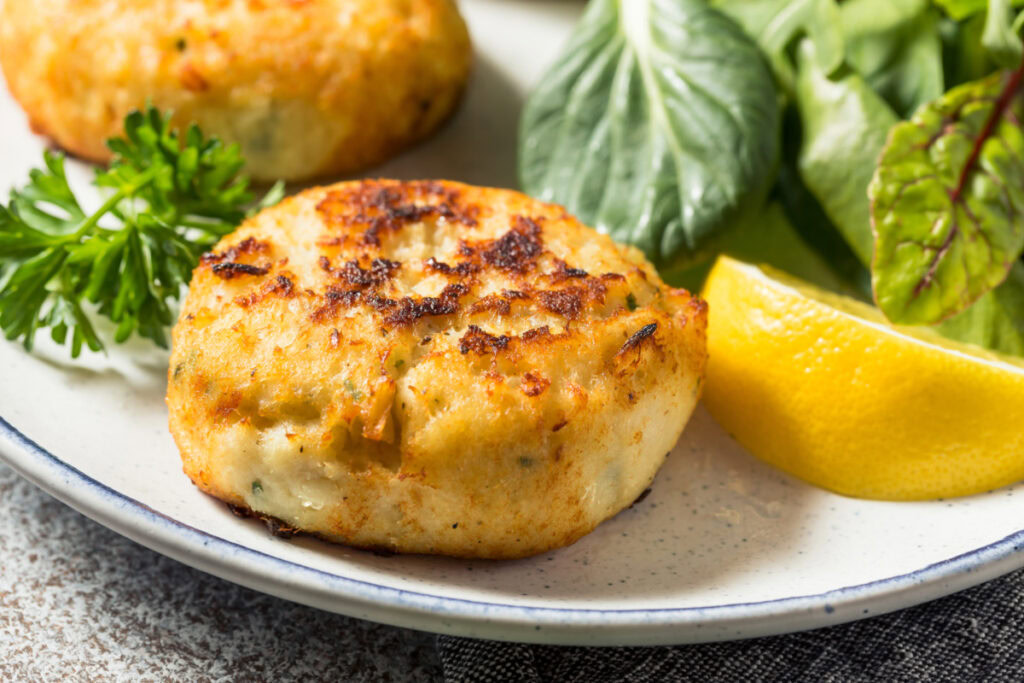
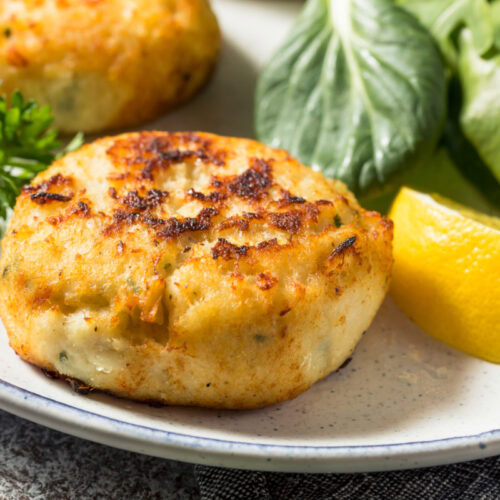
Drain them on paper towels for a minute or so. The outside should be crisp and golden, while the inside stays soft.
I like to serve them hot, right out of the pan. If I need to keep them warm, I pop them on a baking sheet in a low oven (about 200°F) for a bit.
I always test the first one to make sure it’s hot all the way through—145°F is what you’re aiming for. The coating should have a good crunch.
Notes
I always chop and measure everything before I start. Makes life easier and keeps things moving.
If you’re on a budget, imitation crab works. The texture’s a bit different, but the flavor is still good. Just use about the same amount.
You can prep the crab cake mix ahead and stash it in the fridge for up to a day. Shape and fry when you’re ready.
Got leftovers? They keep in the fridge for a few days. I reheat them in a skillet with a little oil to get that crisp back. You can freeze uncooked crab cakes too—just wrap them up tight.
For that crispy crust, don’t move the crab cakes around too much in the pan. Let them sit so a crust can form.
Oil temp matters—too hot and they burn, too cool and they soak up oil. Somewhere in the middle is just right.
I love these with tartar sauce or remoulade, and a squeeze of lemon on top is always a good idea.
If you’re not into frying, you can bake them. Brush with oil and bake at 400°F for about 15 minutes, flipping once.

Equipment
- Large mixing bowl
- Measuring cups and spoons
- Spatula (for gentle folding)
- Plate or sheet pan (for chilling)
- Cast iron skillet or nonstick pan
- Thin spatula
- Paper towels
- Instant-read thermometer (optional)
Ingredients
- 1 lb jumbo lump crab meat picked over for shells and well-drained
- 1/3 cup mayonnaise
- 1 large egg lightly beaten
- 2 tbsp Dijon mustard
- 1 tbsp Worcestershire sauce
- 2 tbsp fresh lemon juice
- 2 green onions finely chopped
- 2 tbsp fresh parsley chopped
- 1/2 cup breadcrumbs panko preferred for extra crunch
- 1 tbsp Old Bay seasoning or seafood seasoning
- 1/2 tsp salt
- 1/4 tsp black pepper
- 1/4 cup vegetable oil or avocado oil, for frying
Instructions
- In a large bowl, whisk together the mayonnaise, egg, Dijon mustard, Worcestershire sauce, and lemon juice until smooth.
- Add the green onions, parsley, Old Bay, salt, pepper, and breadcrumbs. Stir until combined.
- Gently fold in the crab meat, keeping the lumps as intact as possible. Avoid over-mixing so the crab stays chunky.
- Shape the mixture into 8 patties (about 3 inches wide). Place on a plate or sheet pan and refrigerate for at least 30 minutes to help them hold together.
- Heat about 1/4 inch of oil in a skillet over medium-high heat until shimmering (about 350°F / 177°C if using a thermometer).
- Fry 4 crab cakes at a time for 4–5 minutes per side, turning once, until deeply golden and crisp. Transfer to paper towels to drain and repeat with remaining cakes, adding more oil if needed.
- Serve hot with lemon wedges and tartar sauce or remoulade. For food safety, the center should reach 145°F (63°C).
Notes
Nutrition
Tasting Notes
When I dig in, the crispy golden exterior cracks just a little, and then you get to that soft, flaky crab meat inside. That first crunch is honestly so satisfying, and it somehow makes the filling taste even more delicate.
You can really tell the crab flavor is the star here. Every bite lets the sweet, gentle taste of the crab shine through. I like that the seasonings don’t drown it out—they just tag along in the background.
I usually reach for tartar sauce when I’m eating these. There’s something about that tangy, creamy dip that just works with crab cakes. Plus, making homemade tartar sauce is fun since you can mess with the pickle or lemon ratio until it tastes just right.
If I’m in the mood for something with more of a kick, remoulade sauce is a solid pick. It’s got a little heat and some extra zest, which somehow brings out the mildness of the crab even more.
Some folks swear by cocktail sauce instead. The tomato and horseradish combo is sharper and a bit brighter. It’s honestly a nice change if you’re not feeling something creamy.
Honestly, the best sauce for crab cakes just depends on what you’re into that day. I think a good dipping sauce should bring out the crab, not hide it. Sometimes I skip the sauce altogether and just squeeze some fresh lemon on top—simple but so good.
What to serve with crab cakes makes a difference too. I’ve noticed that lighter sides work best. The cakes are already buttery and filling, so you don’t need much else to make it a satisfying meal.