Fried Eggplant Recipes
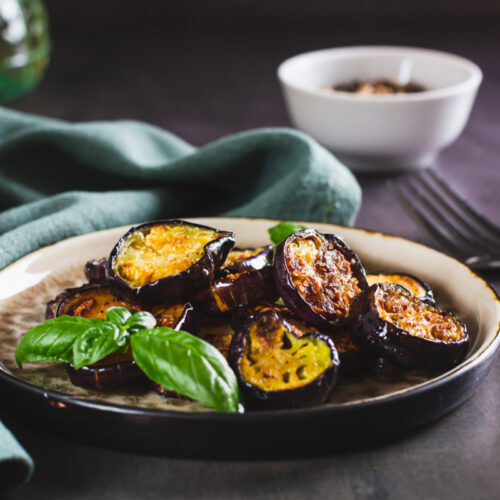
Fried eggplant is one of those things that takes a simple veggie and turns it into something crispy, golden, and honestly so good. Whether you want a quick side or just a snack, this one almost always hits the spot.
This fried eggplant recipe uses a no-fuss coating that gets the outside nice and crispy, but the inside stays soft and full of flavor. I’ve tried a bunch of different ways, and this is the one that gives you that crunch without feeling heavy or greasy.
Let me walk you through what you’ll need, from basic gear to the actual steps. By the time you’re done, you’ll be frying up eggplant that could pass for something from your favorite restaurant—right at home.
Equipment
When I make pan fried eggplant, I keep it simple. No need for fancy gadgets here.
Here’s what I grab:
- Large skillet or frying pan – I like a 12-inch pan so I can fit a few slices at once without crowding
- Sharp knife – For slicing the eggplant into even rounds or strips
- Cutting board – Any sturdy one will do
- Paper towels – To dry off the eggplant after salting
- Spatula or tongs – For flipping slices while they cook
- Plates lined with paper towels – To soak up extra oil after frying
- Measuring cups and spoons – For the coating and oil
- Shallow bowls or plates – For dredging the eggplant in flour, eggs, and breadcrumbs
My go-to pan for this is a heavy-bottomed skillet. It keeps the heat steady and helps the eggplant cook evenly.
I usually keep extra paper towels handy—things get a little messy. If you have a splatter screen, it doesn’t hurt, but you can totally get by without it.
The pan you use actually matters more than you might expect. Non-stick pans are great because the eggplant doesn’t stick as much. Cast iron works too, as long as it’s seasoned well.
Ingredients
I like to keep it straightforward—most of this stuff is probably already in your kitchen. The main thing is fresh eggplant, which I cut into slices about half an inch thick.
Here’s what you’ll want:
- 1 large eggplant (or 2 medium)
- 1 cup all-purpose flour
- 2 large eggs
- 2 cups breadcrumbs (Italian-style or plain)
- 1 cup grated Parmesan cheese
- 1 tablespoon Italian seasoning
- 1 teaspoon garlic powder
- 1 teaspoon salt
- ½ teaspoon black pepper
- Vegetable oil for frying (about 2 cups)
Mixing the Parmesan right into the breadcrumbs gives each bite a cheesy kick. It reminds me a bit of eggplant parmesan, just without all the extra steps.
Italian seasoning brings in that classic blend of basil, oregano, and thyme. Makes the coating taste like something you’d get in a good restaurant.
Room temperature eggs work best—they coat the slices more evenly. I usually beat them up in a shallow bowl before starting.
Fresh eggplant is key here. Look for ones that are firm and shiny. If they’re wrinkly or have soft spots, skip them.
Instructions
First, I slice the eggplant into rounds—about ¼ to ½ inch thick. I lay them out on paper towels, sprinkle both sides with salt, and let them sit for 20 to 30 minutes. That pulls out extra moisture and helps with the crispy texture I’m after.
While the eggplant does its thing, I set up a breading station with three shallow bowls:
- Bowl 1: Flour, salt, and pepper
- Bowl 2: Beaten eggs (2 or 3 is plenty)
- Bowl 3: Breadcrumbs, Parmesan, and Italian seasoning
Once the eggplant has rested, I pat each slice dry with paper towels. This step really helps the coating stick.
I heat about half an inch of oil in a big skillet over medium-high until it’s around 350°F. Each slice goes in the flour first (shake off the extra), then the egg, then press it into the breadcrumb mix on both sides.
I lay the breaded slices in the hot oil, making sure not to crowd the pan. They fry for 2 to 3 minutes per side, just until they’re golden and crispy. You want to see gentle bubbles around the edges.
When they’re done, I move them to a plate lined with paper towels to drain off the oil. Serve them right away while they’re still hot and crunchy—honestly, that’s the best part.
Notes
Salting your eggplant slices before frying is a must. It draws out moisture and cuts any bitter taste. Let them sit salted for about half an hour, then blot them dry.
Oil temp makes a big difference here. I keep mine between 350°F and 375°F. If it’s too cool, the eggplant just soaks up oil and gets soggy.
You can bread the eggplant slices ahead of time. I lay them out on a baking sheet and stash them in the fridge for up to four hours before frying. Makes things a lot easier if you’re trying to get dinner on the table fast.
Leftovers keep in the fridge for three or four days. I usually reheat them in the oven at 375°F for about 10 minutes—they get crispy again that way. The microwave works in a pinch, but the coating goes soft.
Different eggplant types work here. Globe eggplants are my usual pick since the slices are big. Japanese eggplants are thinner and cook faster, plus they have fewer seeds.
If you want more fried eggplant ideas, I share a bunch of options in my cookbook. Some folks like to add extra Parmesan to the breadcrumbs, or swap in panko for more crunch.
The coating sticks best if you stick to the three-step breading: flour, egg, then breadcrumbs. Don’t skip the flour—it really helps the egg grab onto the eggplant.

Equipment
- Large skillet or frying pan (12-inch)
- sharp knife
- cutting board
- Paper towels
- Spatula or tongs
- 3 shallow bowls or plates (for dredging)
- Measuring cups and spoons
- Plate or baking sheet lined with paper towels
- Optional: thermometer (to check oil temperature)
- Optional: splatter screen
Ingredients
- 1 large eggplant cut into 1/4–1/2-inch rounds
- salt for salting eggplant slices, plus 1 tsp for the flour/seasoning
- 1 cup all-purpose flour
- 1 teaspoon salt for seasoning the flour/breading
- 1/2 teaspoon black pepper
- 2 large eggs beaten
- 2 cups breadcrumbs Italian-style or plain (panko works too)
- 1 cup Parmesan cheese grated
- 1 tablespoon Italian seasoning
- 1 teaspoon garlic powder
- 2 cups vegetable oil for frying (about 1/2-inch depth in the pan)
Instructions
- Salt the eggplant: Lay eggplant slices on paper towels and sprinkle both sides with salt. Let rest 20–30 minutes to draw out moisture, then pat very dry with paper towels.
- Set up a breading station: In bowl 1, mix flour with 1 tsp salt and the pepper. In bowl 2, add the beaten eggs. In bowl 3, mix breadcrumbs, Parmesan, Italian seasoning, and garlic powder.
- Heat the oil: Add enough oil to reach about 1/2-inch depth in a large skillet. Heat over medium-high until the oil reaches about 350°F (175°C) and shimmers.
- Bread the slices: Working one at a time, dredge eggplant in the flour (shake off excess), dip in egg, then press into the breadcrumb mixture on both sides.
- Fry: Fry in batches without overcrowding, 2–3 minutes per side, until golden brown and crisp. Adjust heat as needed to keep the oil around 350–375°F.
- Drain and serve: Transfer to a paper towel–lined plate to drain. Serve immediately while hot and crunchy.
Notes
Nutrition
Tasting Notes
Whenever I take a bite of fried eggplant, the first thing that hits me is that crispy, golden crust. It cracks open to a soft, creamy center that just sort of melts away.
That texture—crunchy outside, silky inside—is honestly what keeps me coming back. It’s just so satisfying.
The flavor is pretty mild, maybe a little sweet, so eggplant really takes on whatever bold seasonings I throw at it. There’s a hint of earthiness, but honestly, it’s subtle—almost like the eggplant’s just waiting for something interesting to happen.
Frying it in olive oil gives everything a richer, deeper taste. If I go with vegetable oil, everything feels lighter, almost cleaner. The coating matters a lot too.
Panko breadcrumbs? Oh, those make it extra crunchy, and it stays that way for a while. Regular breadcrumbs give a finer, softer coating, which is nice in its own way. If I just dust the slices with flour and skip the breading, I get a thinner crust, and the eggplant’s own flavor stands out more.
The inside should be tender, but not mushy—nobody wants soggy eggplant. When it’s cooked just right, it’s smooth and silky without being watery.
Salting the eggplant before frying pulls out some of the bitterness, which makes the whole thing taste cleaner and a bit sweeter. Tossing on some fresh basil or parsley at the end adds a bright, fresh note that cuts through the richness.