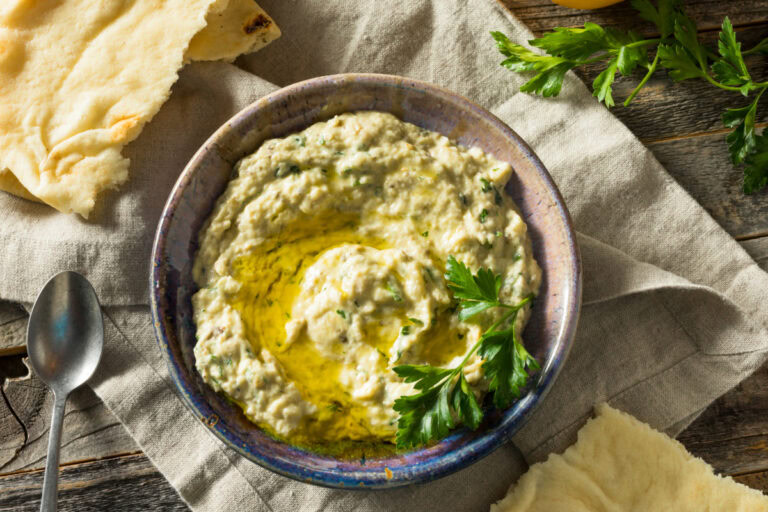
Creamy Mediterranean Hummus Recipe
This Mediterranean hummus recipe gives you the creamiest, smoothest hummus I’ve ever managed to make at home.
I’ve spent ages fiddling with different techniques, and honestly, it’s way better than anything I’ve picked up at the store. The trick isn’t some wild ingredient—it’s all about how you make it.
Making legit hummus doesn’t have to be a project. This is pretty simple and only takes about 15 minutes, using stuff you probably already have hanging around.
You’ll end up with a rich, garlicky dip that tastes like it came from a tiny spot in the Mediterranean.
I’ll share what I’ve figured out about getting that super smooth, almost fluffy hummus every time.
You’ll see which kitchen tools actually matter, how to get your ingredients ready for the best texture, and the steps that make all the difference.
Equipment
You don’t need a fancy setup to make hummus at home. I just use basic kitchen gear—nothing wild.
Here’s what I grab:
- Food processor or high-powered blender – This is the real game-changer for getting it smooth
- Measuring cups and spoons – Just to keep things balanced
- Can opener – If you’re going with canned chickpeas
- Small bowl – To stir up the tahini first
- Rubber spatula – For scraping the sides down
- Serving bowl – Because presentation counts, right?
I usually go with a food processor instead of a blender. The wider bowl just makes it easier to work with, and it’s less of a hassle to scrape down the sides. But if a blender is all you’ve got, it’ll work—just make sure it’s got enough power for thick stuff.
A 7-cup food processor is perfect for this amount. If you’re making a bigger batch, a larger one is handy. Smaller ones might get overwhelmed.
No need for special blades or anything. The standard blade that comes with your processor is all you need. Oh, and make sure everything’s clean and dry before you get started.
Ingredients
Let’s talk about what goes into this creamy Mediterranean dip. You probably have most of it already.
For the base hummus:
- 1 can (15 oz) chickpeas (garbanzo beans), drained and rinsed, or 1½ cups cooked dried chickpeas
- ¼ cup tahini (sesame paste), stirred up so it’s smooth
- 3 tablespoons fresh lemon juice (usually one lemon does it)
- 2 tablespoons extra virgin olive oil, plus a little more for drizzling
- 1 clove garlic, minced
- ½ teaspoon ground cumin
- ½ teaspoon kosher salt
- 2-3 tablespoons cold water (add as you need for the right texture)
For topping and garnish:
- 1 tablespoon olive oil
- ¼ teaspoon smoked paprika
- ¼ teaspoon sumac (if you have it)
- 2 tablespoons fresh parsley, chopped
I usually use canned chickpeas because it’s just easier. If you want to start with dried, soak them overnight and cook until they’re super soft. The softer, the better for creaminess.
Good tahini really makes a difference. Stir it well before you measure since it always separates. And fresh lemon juice—don’t go for the bottled stuff if you can help it.
Extra virgin olive oil adds that classic taste. Don’t skip the garlic and cumin; they’re what make hummus taste like, well, hummus.
Instructions
First, I drain and rinse the chickpeas well. If I’m feeling patient, I’ll peel the chickpeas by squeezing them gently to pop the skins off. Not a must, but it does make things smoother.
Then I toss the chickpeas in a pot and cook them in fresh water for about 20 minutes. They should be really soft—almost falling apart.
While they cool off a little, I get the tahini mixture going. I blend the tahini and lemon juice in the food processor for about a minute, until it gets lighter and kind of whipped.
Now, time to bring it all together.
- Add the warm chickpeas to the tahini-lemon mix
- Pour in the cold water
- Toss in the minced garlic, cumin, and salt
- Blend it up on high for 3-4 minutes until it’s super smooth
- Scrape the sides down as you go
- Add more cold water if it’s too thick
- Taste and see if you want more salt or lemon
I keep blending until it’s light and fluffy. The longer you let it go, the creamier it gets.
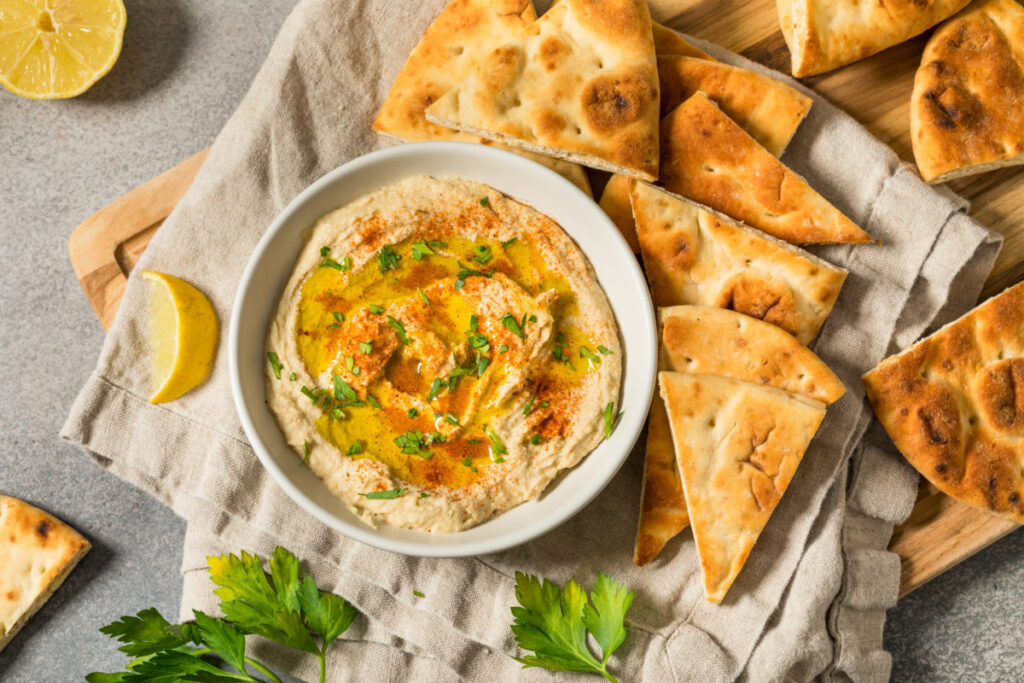
Once it looks right, I scoop it into a bowl. I use the back of a spoon to make a little well in the middle, drizzle with olive oil, and sprinkle on paprika, parsley, and maybe a few whole chickpeas if I’m feeling extra.
Notes
I always keep a few cans of chickpeas around so I can make hummus whenever the mood hits. Using canned makes this so much faster than starting from scratch with dried beans.
You can freeze hummus for up to four months in a good container. I like to portion it out so I can just grab what I need. Leave a little space at the top since hummus tends to expand when it freezes.
When you want to eat it, just move it to the fridge and let it thaw overnight. Give it a stir—sometimes it separates a bit. I’ll add a little olive oil if it needs a refresh.
The tahini really matters here. Go for a brand you like, because it’ll make or break the flavor and texture.
- Start with less garlic if you’re not big on it
- Adjust lemon juice to your taste
- Add ice water slowly until it’s just how you want it
- Store leftovers in the fridge for up to a week
Fresh lemon juice is just way better than bottled for that bright pop. I always taste and tweak the seasonings before serving since tahini and chickpeas can be a little different depending on the brand.
If your hummus is too thick, just add more ice water a tablespoon at a time. For a thinner dip, keep blending with a little extra water.

Equipment
- Food processor or high-powered blender
- Measuring cups and spoons
- Can opener
- small bowl
- rubber spatula
- Small saucepan (optional, to simmer chickpeas)
- Serving bowl
Ingredients
- 1 can chickpeas (garbanzo beans) 15 oz, drained and rinsed (or 1 1/2 cups cooked chickpeas)
- 1/4 cup tahini stirred until smooth
- 3 tbsp fresh lemon juice
- 2 tbsp extra virgin olive oil plus more for drizzling
- 1 garlic clove minced
- 1/2 tsp ground cumin
- 1/2 tsp kosher salt
- 2 tbsp cold water plus more as needed for texture
- 1 tbsp olive oil for topping
- 1/4 tsp smoked paprika for topping
- 1/4 tsp sumac optional topping
- 2 tbsp fresh parsley chopped, for garnish
Instructions
- Drain and rinse the chickpeas well. For extra-smooth hummus, simmer the chickpeas in fresh water for about 20 minutes until very soft, then drain. (Optional: peel chickpeas by pinching off skins.)
- In a food processor, blend the tahini and lemon juice for about 1 minute, scraping down the sides as needed, until the mixture becomes lighter and creamy.
- Add the warm (or well-drained) chickpeas, garlic, cumin, salt, and 2 tablespoons cold water. Blend on high for 3–4 minutes until very smooth, stopping to scrape down the sides.
- With the processor running, drizzle in the olive oil. If the hummus is too thick, add more cold water 1 tablespoon at a time until it’s creamy and fluffy.
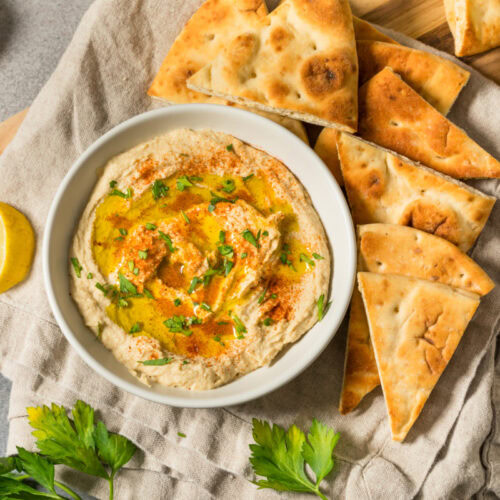
- Taste and adjust seasoning with more salt or lemon juice if needed. Spoon into a serving bowl, swirl the top, drizzle with olive oil, and sprinkle with smoked paprika, sumac (optional), and parsley.
Notes
Nutrition
Tasting Notes
When I first try this Creamy Mediterranean Hummus, the smooth, velvety texture really stands out. It just melts on my tongue—kind of hard not to go back for another scoop.
There’s a rich, nutty taste from the tahini, and a bright kick from the fresh lemon juice. Garlic sneaks in with a gentle punch, but it doesn’t take over the whole thing.
Honestly, I think this hummus is way more versatile than most. Roasted garlic hummus is sweeter, almost caramel-like, and red pepper hummus brings some smoky vibes, but this Mediterranean version? It’s got this clean, balanced flavor that just works with everything.
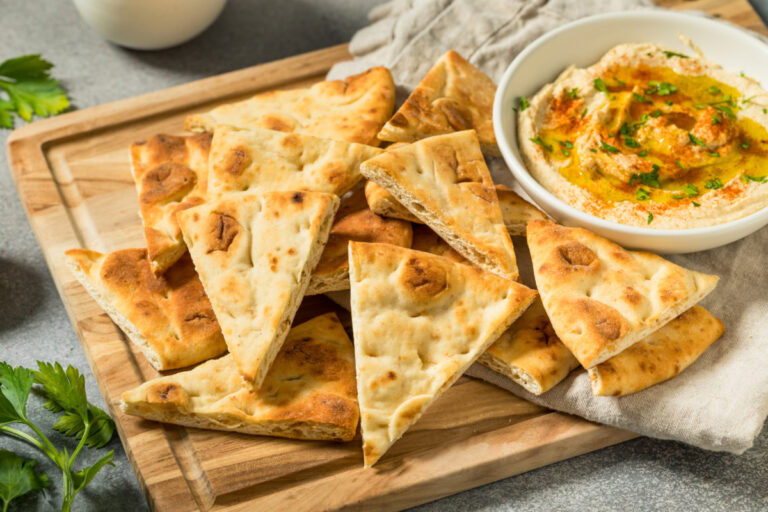
It’s lighter than beet hummus, but still has plenty going on. The creamy consistency makes it great for dipping pita bread or pita chips, and it clings just right—not too thick, not gluey.
When I toss it in a Mediterranean bowl, it adds a bit of moisture and somehow ties all the flavors together. I like that.
Fresh herbs bring in a garden-fresh quality that reminds me of something you’d get at a nice restaurant. The olive oil drizzle on top adds a fruity note that pairs nicely with the earthy chickpeas.
I usually throw this hummus into a mezze spread with other dips. It stands out but doesn’t overpower—kind of steals the show, but in a good way.
The taste feels authentic and satisfying. I always end up wanting to scoop up more with every bite.
And honestly, the best part? Catching those little bits of chickpea that give it some texture. Each mouthful is creamy with just enough substance to keep things interesting.