Pesto Egg Toast Recipe
Pesto egg toast is honestly my go-to when I want breakfast fast but still crave something that actually tastes good. It takes barely 10 minutes, and you probably have most of the ingredients kicking around already.
This recipe mashes up creamy eggs with a punchy pesto, all piled on crunchy toast. It feels a little fancy, but you’ll be eating in no time.
I’ll walk you through how I make it, what you’ll need, and a few tips I’ve picked up. I’ll even let you know what to expect when you take that first bite—hint: it’s good.
Equipment
You really don’t need much for pesto egg toast. Just basic stuff that’s probably already in your kitchen.
Here’s what I use:
- Toaster or toaster oven for the bread
- Small non-stick skillet for the eggs
- Spatula to move the eggs
- Spoon or knife for spreading pesto
- Plate for serving
A non-stick pan is handy so your eggs don’t glue themselves to the pan. I usually grab a smaller skillet since it’s just a couple eggs.
If you want to make your own pesto, you’ll need a food processor or blender—but honestly, jarred pesto is totally fine.
A butter knife works for spreading pesto. Some people like a spoon, which is fine too.
Watch out for thick bread in skinny toasters—been there, had to dig it out.
Nothing fancy or expensive needed here. Just the usual stuff.
Ingredients
I keep this recipe simple so it’s doable any morning, even if you’re half-awake. You just need a handful of things.
For the toast:
- 2 slices sourdough or any bread you like
- 2 large eggs
- 2 tablespoons basil pesto (store-bought or homemade)
- 1 tablespoon butter or olive oil
- Salt and pepper
Optional extras:
- Fresh mozzarella, torn up
- Grated parmesan
- Red pepper flakes if you like heat
- Fresh basil leaves
Basil pesto is classic, but swap in spinach pesto for something milder, or sun-dried tomato pesto for a tangy twist. Dairy-free pesto works too.
The pesto brings a ton of flavor. Sometimes I add a little avocado first, which is pretty tasty. Or a swipe of goat cheese if I’m feeling extra.
Usually, I just grab pesto from the store. It’s easy, and most days I’m not up for making it from scratch.
Instructions
First, heat up a non-stick skillet on medium. Drizzle in a little olive oil while it warms.
Toast your bread either in a toaster or a pan—whatever gets it golden and crunchy.
While the toast is going, crack your eggs into the skillet. Cook them however you like, but I’m a fan of a runny yolk.
Sprinkle on salt and pepper as they cook. For runny yolks, don’t flip—just 2 or 3 minutes does it.
Once your toast is ready, spread pesto on each slice. I go for about a tablespoon per piece, but you do you.
Now, gently put the cooked eggs on top of the pesto toast with a spatula.
The heat from the eggs softens the pesto a bit, which is so good. If you want, add red pepper flakes, parmesan, or basil on top.
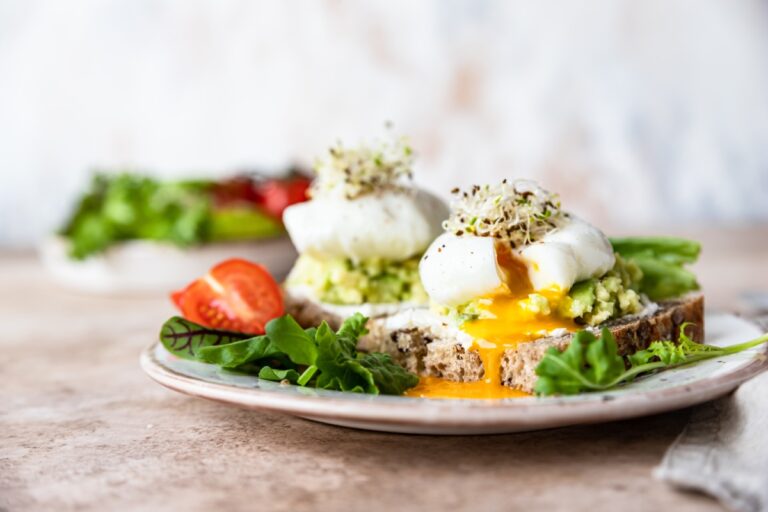
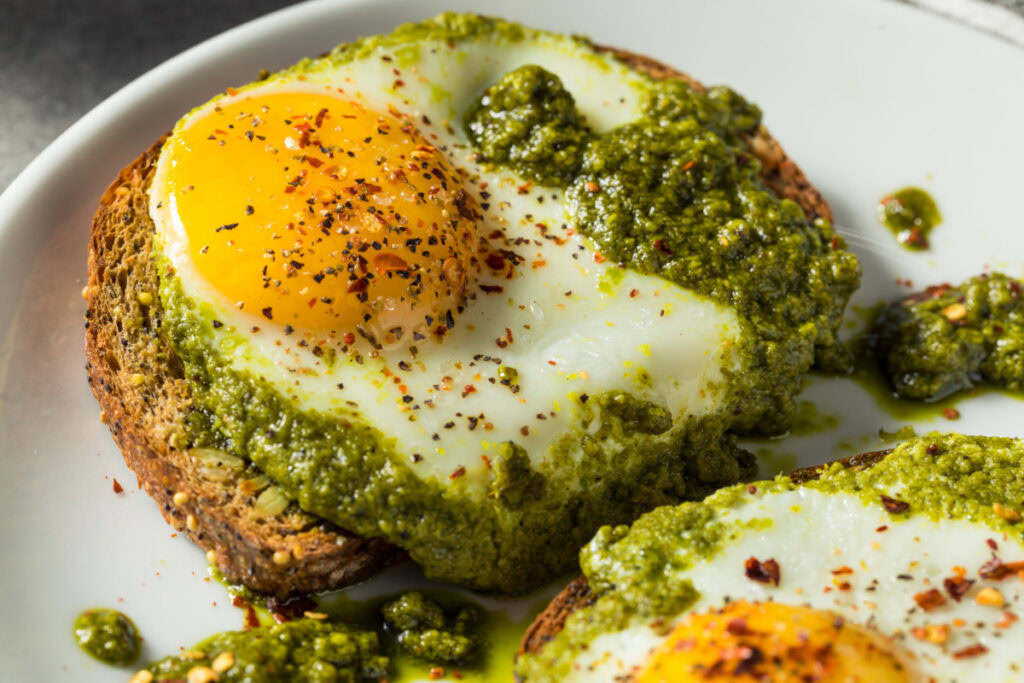
Eat your pesto egg toast right away while it’s still warm. The combo of crunchy toast, creamy pesto, and that runny yolk is just unbeatable.
Cut into the eggs and let the yolk ooze over everything. It’s messy, but in the best way.
Notes
Leftover pesto? Just stash it in the fridge for up to five days. The toast is best fresh, so make it right before you eat.
Switch up the bread if you want. Sourdough, wheat, ciabatta, even a bagel—just toast it well so it doesn’t get soggy.
Homemade or store-bought pesto both work. If your pesto’s a bit thick, stir in a splash of olive oil or water.
I love my eggs runny so the yolk mixes with the pesto, but cook them longer if you want the yolk firm. Scrambled, fried, or poached eggs all work.
More toppings? Go for it:
- Cherry tomatoes
- Feta or parmesan
- Red pepper flakes
- Basil leaves
- Avocado
- Arugula
I make this for breakfast, but honestly, it’s a solid lunch or dinner too. Done in under 10 minutes, so it’s perfect for busy days.
If you’re prepping ahead, make the pesto in advance and just assemble the toast fresh each time. That way, you get the best texture every time.

Equipment
- Toaster or toaster oven
- Small non-stick skillet
- Spatula
- Spoon or butter knife
- plate
- Small bowl (optional, for cracking eggs)
Ingredients
- 2 slices sourdough bread or any bread you like
- 2 large eggs
- 2 tablespoons basil pesto store-bought or homemade
- 1 tablespoon butter or olive oil, for cooking eggs
- salt to taste
- black pepper to taste
- grated Parmesan cheese optional, for topping
- red pepper flakes optional, for topping
- fresh basil leaves optional, for topping
- fresh mozzarella optional, torn
Instructions
- Toast the bread in a toaster (or in a dry skillet) until golden and crisp.
- Heat a small non-stick skillet over medium heat and melt the butter (or add olive oil).
- Crack the eggs into the pan (or crack into a small bowl first, then slide them in). Cook 2–3 minutes for runny yolks, seasoning with salt and pepper as they cook. Cover with a lid for 30–60 seconds if you want the whites set faster without flipping.
- Spread about 1 tablespoon pesto on each slice of toast.
- Place one cooked egg on each pesto toast. Add optional toppings like grated Parmesan, red pepper flakes, basil leaves, or torn mozzarella.
- Serve immediately while warm. If using runny yolks, cut into the egg and let the yolk mix with the pesto.
Notes
Nutrition
Tasting Notes
The first thing I notice when I bite into this pesto egg toast? That creamy egg, for sure. The yolk breaks open, mixing right into the pesto, and suddenly it’s all smooth and rich—soaks right into the bread in the best way.
The pesto’s got this bright, herby thing going on. There’s that garlicky flavor, a bit nutty from the pine nuts, but it doesn’t smack you in the face or anything.
Basil comes through clean and fresh, which kind of balances out the richness of the egg. It’s a nice contrast.
The toast itself? Crunchy, but then you hit a spot where the egg and pesto have soaked in, and it’s all soft and a bit messy. Honestly, I love that.
You can taste the garlic in the pesto, but it’s not too much. Just enough to give it some depth without making you feel like you ate a clove straight.
Parmesan in the pesto sneaks in with a salty, savory note—sort of ties everything together. Not sure I’d want it without that.
Sometimes I’ll toss on a pinch of salt and a little black pepper. That pepper wakes things up a bit, and if I’m in the mood, a few red pepper flakes for a little heat. Why not?
The whole thing is savory, herby, and kind of comforting. It’s filling, but I don’t feel weighed down after eating it. Each piece just works together, nothing fighting for attention.