French Style Scrambled Eggs Recipe
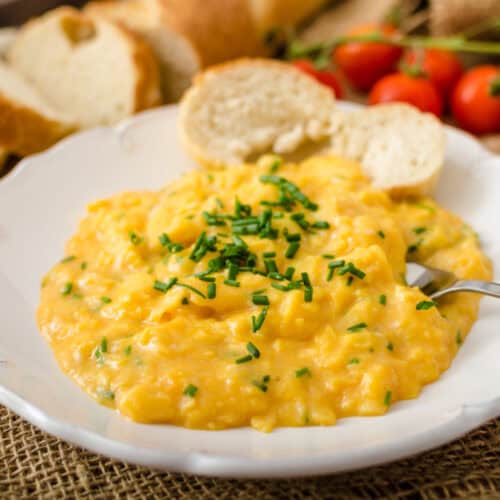
French-style scrambled eggs are soft, creamy, and cooked slowly over low heat. They end up with this custard-like texture that’s nothing like the usual scrambled eggs you might whip up.
I first had them in a tiny Paris café, and honestly, I’ve been hooked ever since. The slow, gentle cooking takes a little extra time, but trust me, it’s totally worth it.
The magic here is all about constant stirring and a bit of patience. This is what gives you those small, delicate curds that just melt away when you take a bite.
American-style eggs are all about speed and high heat, but this French method? It’s all low and slow, with plenty of butter, and it turns breakfast into something that feels a little special—even though the ingredients are super basic.
Let me walk you through the gear, the short ingredient list, and the steps I use to get these eggs just right. I’ll throw in a few tips too, and maybe you’ll see why I’m so into these eggs.
Equipment
You don’t need anything fancy for French-style scrambled eggs. I just grab a few basics from my kitchen.
You’ll need:
- Non-stick skillet or saucepan – Medium size is good. Non-stick is pretty much a must, since the eggs hang out in the pan for a while and you don’t want them sticking.
- Silicone spatula or wooden spoon – You want something gentle, and I like silicone because it gets into all the corners.
- Whisk or fork – Just to beat the eggs before they hit the pan.
- Small bowl – For whisking the eggs together.
- Measuring spoons – For butter and cream, if you’re measuring.
Really, the non-stick pan is the big one. These eggs need time, and a good pan makes cleanup a breeze.
I wouldn’t go with a regular stainless steel pan here. The eggs will glue themselves on and you’ll regret it.
Spatula matters, too. Metal ones can mess up your non-stick pan and just aren’t as flexible. You want small, creamy curds, and a soft spatula helps get you there.
Ingredients
I like to keep it simple with French-style scrambled eggs. Just a few good ingredients, nothing wild.
For the eggs:
- 6 large eggs (cold is fine)
- 3 tablespoons unsalted butter (cut into small cubes)
- 2 tablespoons heavy cream (optional, for extra richness)
- Salt (to taste, fine sea salt works well)
- Freshly ground black pepper (to taste)
Unsalted butter is key for me. It gives you way more control over how salty things get, and it brings that rich, creamy vibe that makes these eggs so good.
I always cube the butter first—it melts in more evenly that way.
Heavy cream is up to you. I toss it in when I want the eggs super smooth, but you can skip it if you want something a bit lighter.
Fresh eggs are best, but honestly, just crack them into a bowl right before you cook, and you’re good.
Salt and pepper seem basic, but don’t skip them. I add salt near the end so the eggs don’t get watery, and fresh black pepper gives a little bite that cuts through all that butter.
Instructions
Start by cracking the eggs into a bowl and whisking them gently. Just enough to mix the yolks and whites—don’t go overboard.
Skip the salt for now. If you add it too early, the eggs can get weirdly watery.
Put a cold non-stick pan on the stove and turn it to medium-low. That’s important for the right texture.
Toss in the butter and let it melt slowly as the pan heats up.
Once the butter is melted, pour in the eggs. Now for the technique:
- Stir constantly with your spatula, moving in gentle circles
- Scrape the bottom and sides so the eggs don’t stick and you get those small, creamy curds
- Take the pan off the heat every 20-30 seconds if it feels like things are moving too fast
- Put it back on and keep stirring—just keep an eye on it
This usually takes me about 8-10 minutes. Keep the heat low, stay patient, and don’t walk away.
When the eggs look thick but still a little wet, pull them off the heat. They should look a bit underdone—they’ll finish up from the heat left in the pan.
Add salt and pepper to taste. Sometimes I throw in a little more cold butter or a splash of cream at the end for extra richness. Fold it in gently and serve right away, ideally on warm plates.
The eggs should be velvety, creamy, and almost pourable—not dry or chunky.
Notes
Low heat and patience really are everything here. If you rush, you’ll get dry eggs, and that’s just not what you want.
Room temp eggs cook more evenly, but cold eggs will work too. They might just take a little longer to come together.
Fresh butter makes a big difference in flavor. I always reach for unsalted, and if you can find European butter, it’s even richer.
Cooking usually takes me 15-20 minutes over low heat. I know, it sounds long, but if your eggs are done faster than that, your heat’s probably too high.
Constant stirring matters. I use a silicone spatula and move in a figure-eight. That way you don’t get hot spots and the texture stays creamy all the way through.
Don’t add all the butter at once. I save a little for the end—it stops the eggs from overcooking and makes everything creamier. That last bit of cold butter is a French trick and it really works.
Take the eggs off the heat when they still look a little underdone. They’ll finish cooking just sitting in the pan.
If you want to add herbs or cheese, wait until the very end. Otherwise, they might mess with the texture.

Equipment
- Non-stick skillet or saucepan
- Silicone spatula or wooden spoon
- Whisk or fork
- small bowl
- Measuring spoons
Ingredients
- 6 large eggs cold or room temperature
- 3 tbsp unsalted butter cut into small cubes, divided (reserve about 1 tbsp to finish)
- 2 tbsp heavy cream optional, for extra richness
- 1/2 tsp fine sea salt or to taste, added at the end
- 1/4 tsp freshly ground black pepper or to taste
Instructions
- Crack the eggs into a small bowl and whisk just until the whites and yolks are combined. Do not salt yet.
- Place a cold non-stick skillet or saucepan over medium-low heat. Add about 2 tablespoons of the cubed butter and let it melt slowly as the pan warms.
- Pour in the eggs. Using a silicone spatula, stir constantly in gentle circles (scraping the bottom and sides) to form small, creamy curds.
- If the eggs start to set too quickly, lift the pan off the heat for 20–30 seconds while continuing to stir, then return to the burner. Keep repeating as needed to maintain a slow, gentle cook.
- When the eggs look thickened but still slightly wet and glossy, remove from heat (they will finish cooking from residual heat). Stir in the reserved cold butter and the heavy cream (if using) to stop cooking and boost creaminess.
- Season with salt and black pepper to taste. Serve immediately on warm plates.
Notes
Nutrition
Tasting Notes
The first thing I notice when I dig in is just how creamy these eggs are. French-style scrambled eggs really do have this velvety feel—so different from the dry, rubbery ones I remember as a kid.
Those tender curds are tiny and delicate, almost melting as soon as they hit my tongue. Every bite feels a bit fancy, honestly. The butter brings a gentle sweetness that makes the eggs taste a little more interesting.
Soft scrambled eggs like this remind me of custard. They’re glossy and smooth, and there’s no weird liquid separating out or any overcooked bits ruining the texture.
The consistency is what really gets me. When I pick up a forkful, these creamy scrambled eggs kind of hold together, but they’re still loose and soft—definitely not runny, but nowhere near firm.
Temperature matters here too. I notice they’re just warm, not piping hot, which is actually nice. That gentle heat lets me enjoy the buttery flavor without burning my mouth.
The taste is mild but really hits the spot. I get the flavor of fresh eggs and good butter, with just a pinch of salt. No cheese, no herbs, nothing to cover up the simple egg flavor. That’s kind of the whole point—just letting the good stuff speak for itself.