Homemade Hawaiian Huli Chicken
Hawaiian huli huli chicken brings those island barbecue vibes right to your own backyard. The name comes from “huli,” which means to flip—kind of fitting, since you’ll be turning the chicken a lot.
This chicken gets a sweet and savory kick from a marinade with pineapple juice, soy sauce, brown sugar, and ginger. It cooks up juicy, with a sticky glaze that just begs for seconds.
Let me show you how to make Hawaiian huli huli chicken at home with stuff you can actually find at the grocery store. No need for fancy gadgets—a basic grill is all you really need.
The marinade does most of the heavy lifting while you chill. Honestly, this is one of my go-to recipes for summer cookouts or just a weeknight dinner when I want something that feels a little special.
The chicken turns out moist and full of flavor, and the glaze gets all sticky and caramelized. I’ll walk you through the ingredients, grilling steps, and a few tips I’ve picked up along the way.
Equipment
Making Huli Huli Chicken isn’t rocket science, and you don’t need a bunch of specialty gear. Here’s what I use.
For grilling, you’ll want one of these:
- Gas grill with a lid
- Charcoal grill with a lid
- Grill grates (definitely give them a good scrub first)
A meat thermometer is a must for me. It’s the only way I trust that the chicken hits 165°F—no one wants undercooked chicken.
Grab these too:
- Basting brush for the sauce
- Tongs for flipping
- Medium saucepan for the marinade
- Whisk or spoon
- Large bowl or a big zip-top bag for marinating
- Measuring cups and spoons
If you’re using a gas grill, double-check your propane. Running out mid-cook is the worst.
I like to keep a little bowl handy for extra sauce while grilling. That way, I’m not dipping my brush back into the marinade after it’s touched raw chicken.
Lightly oiling the grill grates helps a ton with sticking. I usually use tongs and a paper towel dipped in oil for this.
Ingredients
Here’s everything you’ll need for that classic Hawaiian chicken flavor. Nothing too wild—you can find it all at a regular store.
For the Huli Huli Marinade:
- 1 cup pineapple juice (canned works just fine)
- ½ cup brown sugar
- ½ cup soy sauce
- ⅓ cup ketchup
- ¼ cup apple cider vinegar
- 3 tablespoons Worcestershire sauce
- 4 cloves garlic, minced (or 4 teaspoons from a jar)
- 2 teaspoons fresh ginger, grated
- 1 teaspoon smoked paprika
- ½ teaspoon black pepper
- ¼ teaspoon red pepper flakes (optional, if you want a little heat)
For the Chicken:
- 3-4 pounds chicken (bone-in thighs, boneless thighs, breasts, or leg quarters—whatever you like)
For Serving:
- Fresh pineapple slices or grilled pineapple
- White rice
- ¼ cup chicken broth (for basting)
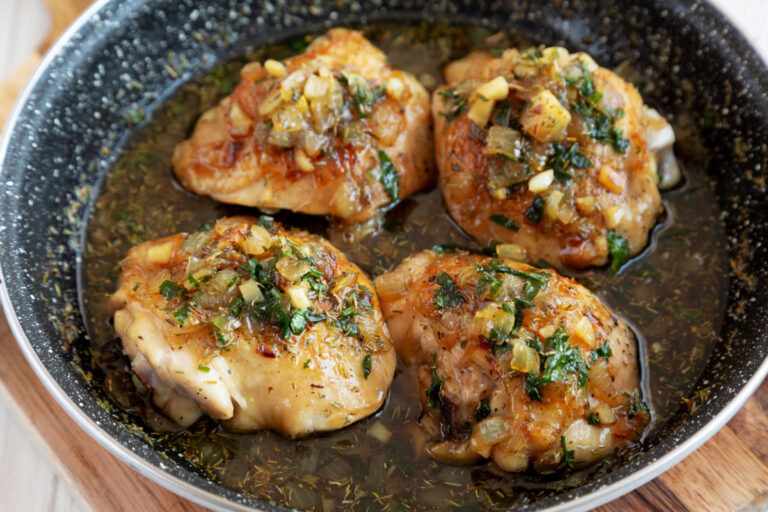
I’m a fan of bone-in chicken thighs or boneless skinless thighs—they stay juicy on the grill. But honestly, use what you’ve got.
The ginger and garlic are what really make the marinade pop. If you don’t have fresh ginger, a teaspoon of ground ginger will do.
Don’t skip the pineapple juice—it’s what gives the chicken that real-deal Hawaiian taste. I love grilling up some pineapple slices on the side, too.
Instructions
First, toss the chicken in a big zip-top bag or a shallow dish. Pour the marinade over the top, making sure every piece gets coated. If you can, let it marinate overnight in the fridge.
When it’s time to cook, preheat your grill to medium-high—somewhere around 375-400°F. Pull the chicken out, let the extra marinade drip off, but save that marinade for basting.
Put the chicken on the grill and close the lid. Here’s my usual routine:
- Cook each side for about 6-8 minutes
- Brush with the saved marinade every time you flip
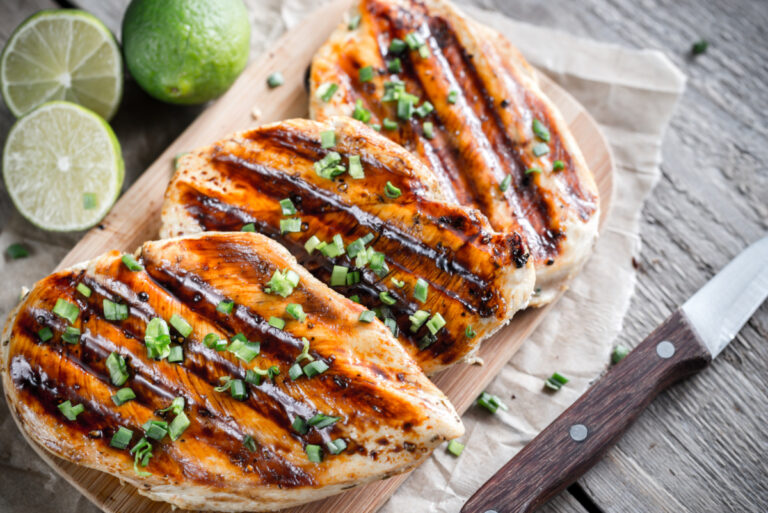
- Watch for those grill marks—they’re a good sign
- Make sure the chicken hits 165°F inside
The flipping and basting is what makes huli huli chicken stand out. I turn the chicken every 5-7 minutes and brush it with more marinade each time.
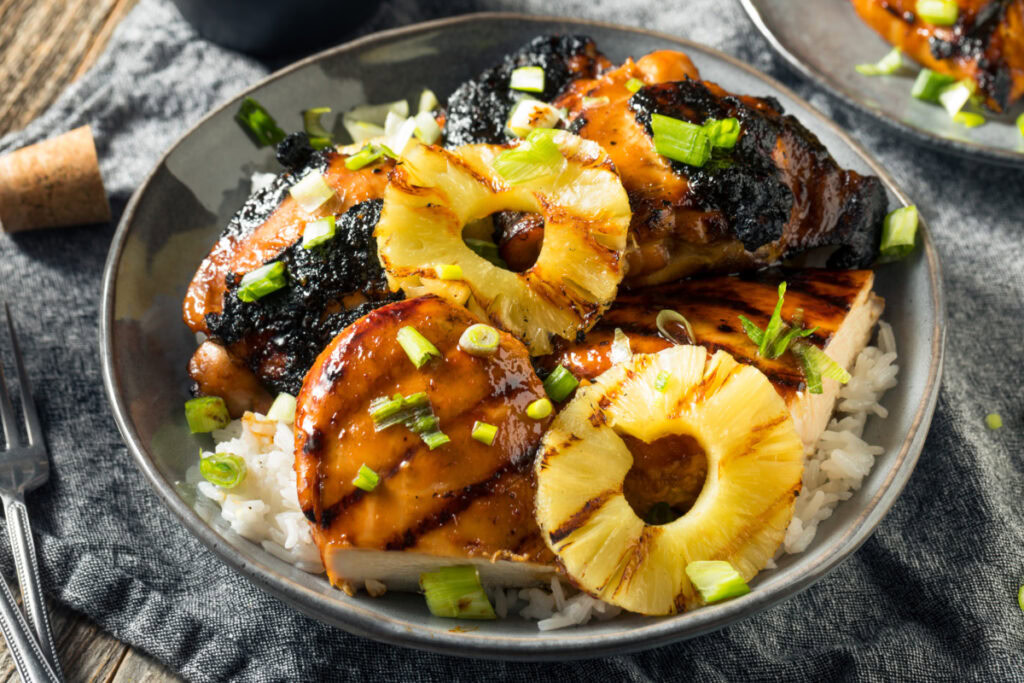
While the chicken’s going, I like to toss some pineapple rings or slices on the grill. Give them a quick brush with marinade, too. Grilled pineapple only needs a couple minutes per side to get those charred edges.
Once the chicken’s juices run clear and the skin looks golden with that sticky glaze, it’s done. Let it rest for five minutes before serving.
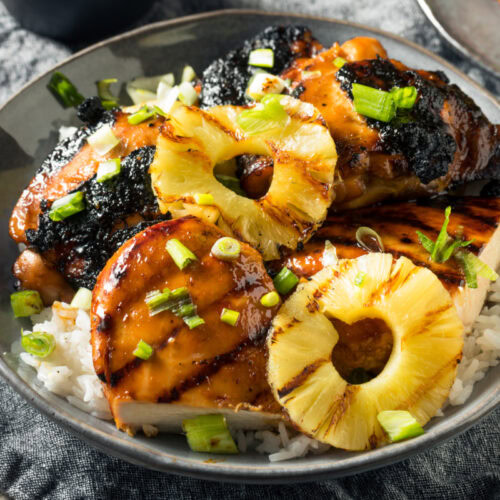
Always top it with those sweet, caramelized pineapple slices for a little extra island flair.
Notes
Canned or bottled pineapple juice is best for this recipe. Fresh pineapple juice has an enzyme (bromelain) that can mess with the chicken texture and make it weirdly mushy.
If you need to swap ingredients, here are some options:
- Coconut aminos instead of soy sauce for gluten-free
- Coconut sugar or honey instead of brown sugar
- Chicken thighs over breasts for more flavor
- Lime juice if you’re out of lemon
For leftovers, keep the chicken in an airtight container in the fridge for up to four days. Let it cool down before you seal it up.
You can freeze cooked chicken, too. Just put the cooled pieces in freezer bags or containers—they’ll stay good for up to three months.
When you’re ready to eat, thaw the chicken in the fridge overnight. Warm it up in a 350°F oven for about 15 minutes, or until it’s hot. The oven keeps it from drying out, but the microwave works in a pinch.
Let the chicken marinate for at least a couple hours if you can. Overnight is even better. But don’t go past 24 hours—the acid can make the texture a little funky.

Equipment
- Gas grill with lid (or charcoal grill)
- Meat thermometer (instant-read)
- Long-handled tongs
- Basting brush
- Medium saucepan
- Whisk or spoon
- Large bowl or zip-top bag (for marinating)
- Measuring cups and spoons
- Small bowl (for basting sauce)
Ingredients
- 1 cup pineapple juice canned or bottled (preferred)
- 1/2 cup brown sugar packed
- 1/2 cup soy sauce
- 1/3 cup ketchup
- 1/4 cup apple cider vinegar
- 3 tbsp Worcestershire sauce
- 4 garlic cloves minced (or 4 tsp jarred)
- 2 tsp fresh ginger grated (or 1 tsp ground ginger)
- 1 tsp smoked paprika
- 1/2 tsp black pepper
- 1/4 tsp red pepper flakes optional
- 3 1/2 lb chicken thighs, breasts, or leg quarters (bone-in or boneless)
- 1/4 cup chicken broth for basting while grilling
- pineapple slices for serving (grilled optional)
- cooked white rice for serving
Instructions
- Make the marinade: In a medium saucepan, whisk together pineapple juice, brown sugar, soy sauce, ketchup, apple cider vinegar, Worcestershire sauce, garlic, ginger, smoked paprika, black pepper, and red pepper flakes (if using). Warm over medium heat just until the sugar dissolves, 2–3 minutes. Cool completely.
- Marinate the chicken: Place chicken in a large zip-top bag or shallow dish. Pour in the cooled marinade and turn to coat. Refrigerate for at least 2 hours (up to 24 hours).
- Prepare for grilling: Preheat a grill to medium-high (about 375–400°F / 190–205°C). Remove chicken from the marinade, letting excess drip off. Pour the used marinade into a saucepan and bring to a full boil for 2 minutes to make it safe for basting. Stir in the chicken broth to thin slightly.
- Grill and baste: Grill chicken with the lid closed, flipping every 5–7 minutes. Brush with the boiled marinade each time you flip. Cook until nicely charred and the internal temperature reaches 165°F (74°C): about 20–30 minutes depending on cut and thickness.
- Optional: Grill pineapple slices for 1–2 minutes per side until lightly charred, brushing with a little sauce.
- Rest and serve: Transfer chicken to a plate and rest 5 minutes. Serve with rice and grilled pineapple, spooning any extra sauce over the top.
Notes
Nutrition
Tasting Notes
The first bite of Huli Chicken hits with this sweet and savory thing—it’s honestly hard to stop eating. There’s that caramelized pineapple juice and brown sugar, with just enough smoky char from the grill to keep things interesting.
You get a little depth from the soy sauce and ginger, sort of lingering in the background. Every piece feels a bit different, which I love.
The chicken stays really moist—that marinade and all the basting make a big difference. The skin gets crisp and sticky, almost glossy.
There’s garlic in there too, but it doesn’t take over. It just kind of rounds out the tropical flavors.
If you serve this with steamed white rice, the rice soaks up all those tasty juices. I usually go for Hawaiian macaroni salad on the side—the creamy, tangy thing really balances out the sweetness.
Sometimes I’ll add coleslaw for a fresh crunch. It’s a nice contrast, especially if you want something lighter.
A sprinkle of toasted sesame seeds on top gives a little nuttiness and some texture. Plus, it just looks better with them.
For sides, mac salad is a classic—everyone seems to go back for more. If you’re in the mood for something tropical, coconut rice is a fun twist.
I’ll sometimes throw some mango salsa on the table too, just for that extra hit of fruit and brightness.
The meat comes right off the bone, covered in that sweet-salty glaze. I’ve noticed dark meat packs in more flavor, but the breast stays surprisingly juicy.