Korean Dumplings Recipe
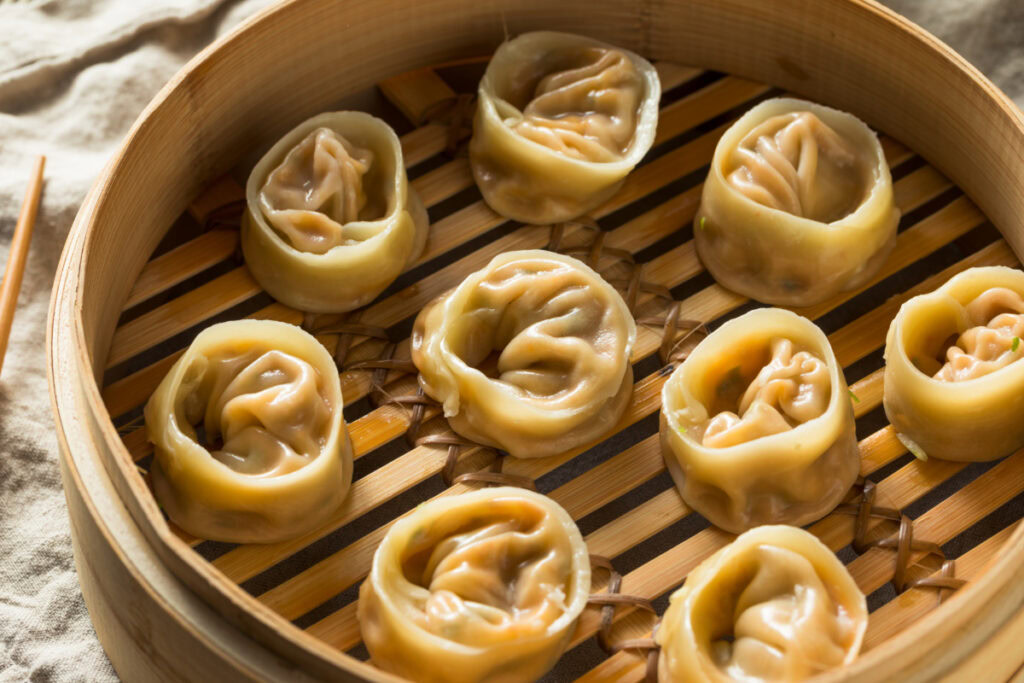
Korean dumplings—mandu if you want to sound legit—are these soft little dough pockets stuffed with seasoned meat and veggies. You can steam, boil, or pan-fry them until they’re golden and crisp on the outside.
I’ve been making these at home for a while now. Honestly, once you get the hang of folding them, they’re not that hard.
They’re great as an appetizer, a snack, or if you make enough, the main event.
This recipe will show you how to make real-deal Korean dumplings from scratch, with a tasty pork and veggie filling. You can use store-bought or homemade wrappers, whatever you have around.
I’ll walk you through each step so you can whip up mandu that tastes like it came from your favorite spot. The filling is a mix of ground pork, cabbage, tofu, and a bunch of good stuff for that classic flavor.
You’ll see what gear you need, which ingredients work best, and exactly how to shape and cook your dumplings. I’ll throw in some personal notes too, just so you know what you’re getting into.
Equipment
Making Korean dumplings at home is way easier if you’ve got the right tools. Most of this stuff is probably already in your kitchen.
For Making the Dumplings:
- Large mixing bowl – for mixing the filling
- Small bowl – just for water to help seal the wrappers
- Sharp knife – for chopping up veggies and meat
- Cutting board – you know what this is for
- Clean kitchen towel – keeps the wrappers and dumplings from drying out
For Cooking:
- Large pot with lid – for boiling or steaming
- Steamer basket – bamboo or metal, doesn’t matter
- Large skillet or frying pan – for pan-frying
- Slotted spoon – makes it easy to scoop out boiled dumplings
For Storage:
- Baking sheet – for freezing dumplings in a single layer
- Plastic wrap or parchment paper – stops them from sticking together
- Freezer bags or airtight containers – keeps frozen dumplings fresh
If you’re freezing dumplings, parchment paper is a lifesaver. It keeps everything from clumping together, and you can just grab a few whenever you want.
A non-stick pan is nice for frying, but honestly, any skillet will do if you use a bit more oil.
Ingredients
You don’t need anything too wild to make mandu at home. Here’s what goes into the wrappers and the filling.
For the dumpling wrappers, you’ve got options. I usually grab store-bought mandu skins or dumpling wrappers from the Asian market to save time.
Wonton wrappers work if that’s all you can find, but they’re a little thinner. Want to make your own? Just mix all-purpose flour, water, and a pinch of salt.
For traditional gogi mandu (that’s pork dumplings), you’ll need:
- 1 pound ground pork
- 2 cups napa cabbage, finely chopped
- 1/2 cup asian chives or regular chives, minced
- 1/4 cup dangmyeon (mung bean noodles), soaked and chopped
- 3 cloves garlic, minced
- 1 tablespoon soy sauce
- 1 tablespoon sesame oil
- 1 teaspoon ginger, grated
- Salt and pepper to taste
For yachae mandu (the veggie kind), swap the pork for:
- 2 cups firm tofu, crumbled
- 1 cup mushrooms, finely diced
- Other veggies like carrots or bean sprouts if you’re feeling it
For kimchi mandu, just add 1 cup chopped kimchi to your filling.
For the dipping sauce, you’ll want:
- 3 tablespoons soy sauce
- 1 tablespoon rice vinegar
- 1 teaspoon sesame oil
- Red pepper flakes if you like a little heat
The mung bean noodles give the filling a nice bite. Chop your veggies small so the wrappers seal up tight.
Instructions
Start with the filling. I toss the ground meat, chopped kimchi, tofu, glass noodles, and veggies into a big bowl.
Mix it all together with your hands until it’s pretty well blended.
Take a wrapper, put it in your palm, and drop about a tablespoon of filling in the center. Wet your finger, run it around the edge, and fold it in half. Press the edges together so it’s sealed—no air pockets if you can help it.
For gun-mandu (fried dumplings):
- Heat oil in a large pan over medium-high.
- Place dumplings flat side down.
- Fry 2-3 minutes until the bottom’s golden.
- Flip and fry the other side for another 2 minutes.
For jjin mandu (steamed):
- Line your steamer basket with cabbage leaves or parchment.
- Set the dumplings in, but don’t let them touch.
- Steam over boiling water for 12-15 minutes.
For mul mandu (boiled):
- Bring a big pot of water to a rolling boil.
- Drop the dumplings in gently.
- Boil for 6-8 minutes until they float.
- Let them cook 2 more minutes after floating.
I usually make extra and freeze them on a baking sheet. Once they’re solid, toss them in a freezer bag—they’ll keep for a few months. You can cook them straight from the freezer, just add a few extra minutes.
Notes
Mandu is just the Korean word for dumplings, and honestly, there are so many ways to make them.
Freezing mandu is a game-changer for meal prep. Lay them out on a baking sheet with parchment, freeze, then bag them up. They’ll last up to three months.
You don’t have to thaw frozen mandu before cooking. Just toss them in and give them a couple more minutes.
Wrappers matter. The round ones are more traditional and hold up better, but square wonton wrappers work if that’s what you have.
If your wrappers start drying out, cover them with a damp towel. That keeps them soft and easy to work with.
Sealing the dumplings well is important so they don’t fall apart while cooking. A little water on the edges helps, and make sure to press out any air.
Feel free to switch up the filling. I’ll sometimes use ground turkey or chicken, or just whatever veggies I have in the fridge.
The dipping sauce is pretty forgiving too. I usually go with soy sauce, rice vinegar, and sesame oil, but you can play around with the ratios.

Equipment
- Large mixing bowl
- Knife and cutting board
- Small bowl of water
- Clean kitchen towel
- Baking sheet or tray
- Large skillet with lid (for pan-frying)
- Steamer basket (optional)
- Large pot (optional, for boiling)
- Slotted spoon
Ingredients
- 1 pound ground pork
- 2 cups napa cabbage finely chopped (squeeze dry if watery)
- 1/2 cup Asian chives or regular chives minced
- 1/4 cup dangmyeon (mung bean noodles) soaked and finely chopped
- 3 cloves garlic minced
- 1 teaspoon fresh ginger grated
- 1 tablespoon soy sauce
- 1 tablespoon toasted sesame oil
- 1/2 teaspoon salt or to taste
- 1/4 teaspoon black pepper or to taste
- 35 mandu skins or dumpling wrappers store-bought; 30–40 (wonton wrappers also work)
- water for sealing wrappers
- 1 tablespoon rice vinegar for dipping sauce
- 3 tablespoons soy sauce for dipping sauce
- 1 teaspoon toasted sesame oil for dipping sauce
- 1/2 teaspoon red pepper flakes (gochugaru) optional, for dipping
- 2 tablespoons neutral oil for pan-frying (if using gun-mandu)
- 1/3 cup water for steaming in pan (if pan-frying)
Instructions
- Soak noodles: Soak dangmyeon (mung bean noodles) in warm water until softened, about 15 minutes. Drain and chop finely.
- Make filling: In a large bowl, combine ground pork, chopped napa cabbage, chives, chopped dangmyeon, garlic, ginger, soy sauce, sesame oil, salt, and pepper. Mix with your hands until well blended.
- Set up: Keep wrappers covered with a damp towel so they don’t dry out. Place a small bowl of water nearby for sealing.
- Fill and seal: Place a wrapper in your palm and add about 1 tablespoon filling in the center. Moisten the edges with water, fold in half, press out air, and seal. (Pleat if you like for a traditional look.)
- Pan-fry (gun-mandu): Heat 1–2 tablespoons oil in a large skillet over medium-high. Add dumplings in a single layer and cook 2–3 minutes until the bottoms are golden.
- Steam in pan: Carefully add about 1/3 cup water, cover, and steam 6–7 minutes until dumplings are cooked through and water evaporates. Uncover and cook 1 minute more to re-crisp the bottoms.
- Or steam/boil: Steam in a lined steamer basket 12–15 minutes, or boil in gently rolling water 6–8 minutes until they float, then cook 2 minutes more.
- Dipping sauce: Stir together soy sauce, rice vinegar, sesame oil, and optional gochugaru. Serve dumplings hot with dipping sauce.
Notes
Nutrition
Tasting Notes
When I bite into a freshly cooked Korean dumpling, the first thing that hits me is the tender, slightly chewy wrapper.
It gives way so easily, and suddenly there’s all that savory filling inside.
The pork and vegetable filling really wakes up my taste buds. I get little pops of garlic, ginger, and that unmistakable hint of sesame oil.
The meat’s juicy and seasoned just right. The cabbage and green onions sneak in a bit of crunch and a fresh, mellow bite.
Steamed dumplings have this soft, delicate texture that just feels cozy somehow.
But pan-fried dumplings? Totally different vibe—crispy, golden on the bottom, still tender on top.
That crunch is honestly pretty satisfying, especially with the contrast in textures.
Whenever I make dumpling soup or mandu-guk, the whole thing shifts.
The Korean dumpling soup usually has a clear, savory broth—sometimes beef, sometimes anchovy stock, depends on the day.
The dumplings soak up some of that broth, while also sharing their own flavors back into the soup.
And I can’t skip the dipping sauce. I like to mix soy sauce with rice vinegar, then toss in a pinch of gochugaru for a little heat.
That tangy, just-spicy-enough sauce really cuts through the richness and ties everything together.
Honestly, dumplings are at their best when they’re hot and fresh. The filling stays moist, the wrapper’s just right, and all those flavors just kind of come together.